Typographic hierarchy system
A complete scale of heading levels, body copy styles and supporting text — designed so readers can understand content structure and priority at a glance.
Tools deep dive
Type systems that improve reading experience, communicate brand authority and create visual coherence across formats.
Typography is arguably the most powerful and most underestimated tool in visual design. Every choice — the typeface, the size, the line-height, the tracking between letters — silently communicates brand personality, reading comfort and information priority. In editorial design especially, typography is not decoration: it is the invisible architecture through which all content is experienced. Strong type systems make long-form content feel effortless. Weak ones make even the best writing feel chaotic or cheap.
A well-designed typographic system is not just about choosing beautiful fonts. It is about defining the relationship between all text levels — titles, subtitles, body copy, captions, callouts — so that readers can navigate content instinctively, without effort or ambiguity.
Typography also carries the weight of brand identity. The choice between a sharp geometric sans and a refined humanist serif, between tight tracking and open leading, communicates brand values before a single word is consciously read. This is why typographic decisions need to be intentional, coherent and documented — not improvised page by page.
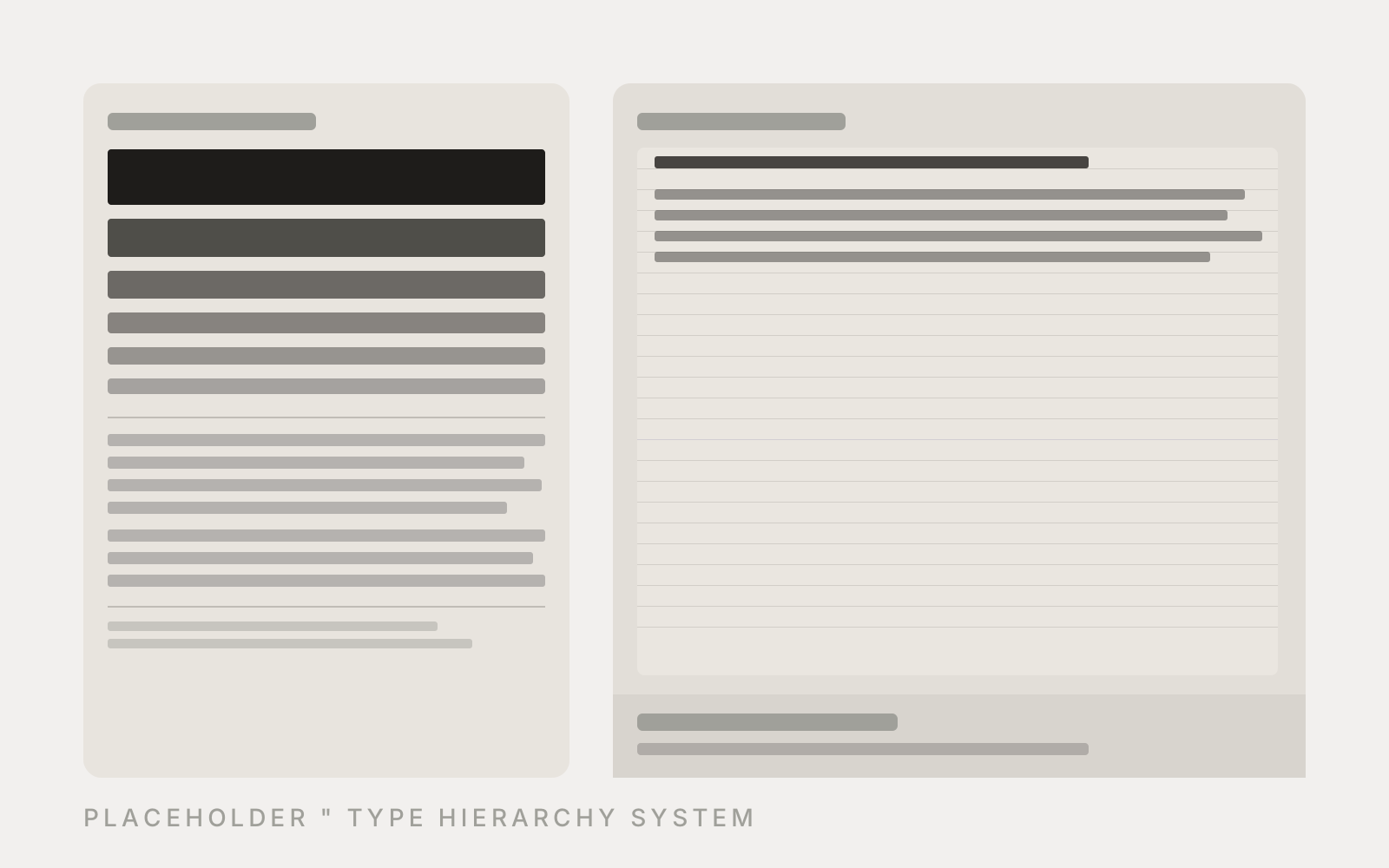
A complete scale of heading levels, body copy styles and supporting text — designed so readers can understand content structure and priority at a glance.
Strategic typeface selection aligned with your brand character — balancing personality, legibility, technical compatibility and licensing requirements for both print and digital use.
Precise line-height, margin, padding and column-width decisions that create a consistent visual rhythm — making content feel ordered, professional and easy to read.
Type rules and style sheets applied across multi-page documents, ensuring consistent treatment from title pages through to captions and footnotes.
Adapting the editorial type system for digital formats — screen-optimized sizes, web font implementation, responsive scale logic and CSS-compatible style specifications.
01
I review the volume and complexity of the content to be set, the communication objectives and the reading context — print, screen, long-form or short-form — to define the right typographic framework.
02
I evaluate typeface options against brand character, technical requirements and licensing. I test combinations for legibility, contrast and visual harmony at various sizes and weights.
03
I define the complete type scale — sizes, weights, line-heights, tracking and alignment — and document every style with precise values applicable to both layout software and development.
04
I apply the type system to actual content layouts, test readability across formats and refine spacing and relationships until every level works coherently with the whole.
Content that reads more clearly, feels more authoritative and communicates quality even before the message is fully understood — a typographic foundation that makes every document, page and screen feel intentionally crafted.
The industry standard for multi-page editorial layout and professional typesetting. InDesign's paragraph styles, master pages and preflight tools make it essential for serious print and publication design.
A vast library of professional-quality typefaces integrated directly into the Creative Cloud ecosystem — available for both print and web use with a Creative Cloud subscription.
An extensive open-source typeface library with excellent web font support. Ideal for digital-first projects requiring free, widely compatible, high-quality type choices.
A free, open-source font editor for creating and modifying typefaces — useful for customizing or extending an existing typeface to meet specific brand requirements.
Profoundly. Typography communicates character, authority and care before a single word is consciously processed — it is one of the fastest-acting signals of brand quality.
Both. I can work within existing font licensing, recommend licensed professional typefaces, or select from high-quality free and open-source options depending on your project requirements and budget.
Yes. I design type systems that translate across media — with specific adaptations for screen rendering, web font performance and responsive scale logic where needed.
Especially so. A clearly documented type system gives non-designers the tools to maintain visual consistency independently — across internal documents, presentations and content creation.
Typography is one of the primary carriers of brand character. It works alongside color, logo and illustration to form the complete visual language — and inconsistent typography undermines all of them.
Whether you are designing a complex annual report, a brand communications framework or a web-first content system, we can build a typographic structure that improves readability and reinforces brand authority.
Discuss your project